
MEGA-BIPV
Mega-BIPV Roofing System & Building Integrated Photovoltaics Company
Megasteel focuses on the research, development and application of Mega-BIPV building integrated photovoltaic systems for industrial and logistics facilities, helping projects generate clean energy through safe, efficient and durable photovoltaic building solutions.
Our BIPV roofing and facade solutions coordinate the steel structure, roof system, waterproofing, drainage, electrical layout and construction delivery as one integrated building system.
Request a BIPV Project Quote →Why Choose Megasteel as Your Mega-BIPV Manufacturer
Integrated Construction in BIPV Solar Modules
Completed Synchronously with the Photovoltaic Building
02
SELECTED CASES
Mega-BIPV Project Case
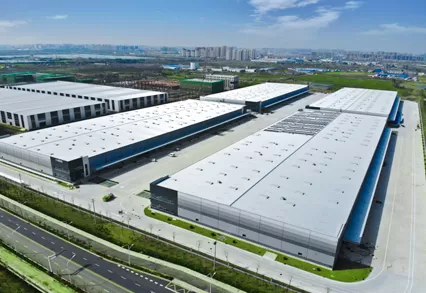
GLP Anhui Intelligent Storage Project
Hefei, Anhui76,323 m²
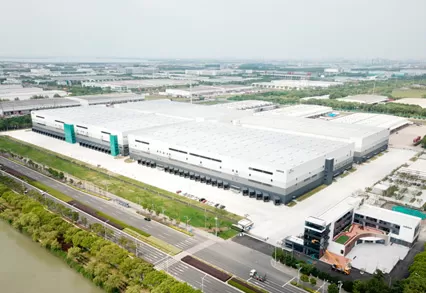
Suzhou Adidas Project - X
Suzhou, Jiangsu40,000 m²
What Our Clients Say About Our Mega-BIPV Building Integrated PV System
“Megasteel's BIPV system gave us a hybrid solution—structural steel with seamlessly integrated photovoltaics. The result is a self-supporting solar facade that meets both load-bearing and energy-generation demands.
Industrial Park Developer
“Megasteel delivered a BIPV system engineered for heavy snow loads and sub-zero temperatures. Its steel-framed solar panels provided high structural rigidity while energy yields exceeded projections.
Urban High-Rise Contractor
BIPV SYSTEM ENGINEERING
How Megasteel Integrates BIPV with Steel Structure Buildings
Industrial BIPV performs best when photovoltaic modules, steel structure, roof, facade, drainage, waterproofing and electrical systems are engineered together.Structural Coordination
Coordinate BIPV loads with the roof structure, purlins, bracing, building span, wind and snow actions.
Envelope Integration
Resolve photovoltaic panels with waterproofing, drainage, insulation and the complete enclosure system.
Construction Synchronization
Plan BIPV installation together with steel erection and building-envelope construction.
Electrical Coordination
Define module layout, inverter positions, cable routes and grid connection requirements early.
Operation and Maintenance
Provide safe access, walkways and inspection points for reliable long-term performance.
BIPV Roof, Facade and Building Envelope Solutions
Megasteel develops coordinated photovoltaic building systems for industrial and commercial facilities.
BIPV Roof System
Integrated solar roofing for warehouses, factories and logistics parks, combining generation with weather protection.
BIPV Facade System
Architectural photovoltaic facades for commercial buildings, industrial offices and landmark projects.
BIPV Curtain Wall Integration
Coordinated curtain wall and solar design that unifies facade performance, appearance and power generation.
Steel Building Solar Integration
A complete approach aligning roof loads, waterproofing, maintenance access and the construction schedule.
Our BIPV Design and Construction Process
- 01
Project Requirement Review
Confirm building type, climate, energy demand, available area, programme and grid conditions.
- 02
Solar and Envelope Analysis
Evaluate orientation, shading, generation potential and roof or facade requirements.
- 03
Structural and Waterproofing Coordination
Resolve loads, uplift, drainage, purlins, waterproofing and safe maintenance access.
- 04
BIPV System Design
Develop module arrangement, envelope details, electrical routing and installation coordination.
- 05
Fabrication and Construction Support
Coordinate BIPV components with steel fabrication, roof panels and envelope construction.
- 06
Delivery and Technical Support
Support project execution, technical communication, handover and ongoing coordination.
What Affects BIPV System Cost and ROI?
Cost and return depend on the building, photovoltaic system, local energy conditions and delivery scope.
Building Area
Available roof and facade area determines potential installation capacity.
System Type
Roof, facade and curtain-wall BIPV require different details and installation methods.
Structural Load
Wind, snow, roof capacity and maintenance access shape the engineering solution.
Electrical Design
Module layout, inverters, cable routes and grid connection influence system cost.
Project Scope
Design, material supply, construction coordination and EPC support affect the quotation.
BIPV KNOWLEDGE
BIPV Building Integrated Photovoltaic FAQs
Q
What is a BIPV building integrated photovoltaic system, and how does it function?
A
A BIPV system incorporates photovoltaic panels directly into a roof, facade or other building element. The modules provide building-envelope protection while generating electricity and can replace conventional construction materials.
Q
How are building integrated PV systems designed and planned?
A
Design considers energy demand, architectural requirements, module type, daylighting, thermal performance, orientation and site conditions so the system meets both functional and aesthetic goals.
Q
What are the benefits of integrating BIPV solar modules into building facades and roofs?
A
BIPV modules combine weather protection, architectural expression and renewable generation. They may replace roofing or facade materials and can also reduce heat gain and building energy demand.
Q
What types of PV systems are commonly used in BIPV installations?
A
BIPV may use grid-connected, standalone or battery-backed systems. Roof and facade solutions are selected around the building's energy strategy, architecture and operational needs.
Q
How do BIPV systems contribute to energy savings and return on investment (ROI)?
A
Integrated generation reduces purchased electricity and may lower cooling demand. Return depends on system cost, local electricity prices, generation yield, maintenance and the value of replaced envelope materials.
Q
What is the difference between BIPV and rooftop solar panels?
A
Rooftop panels are mounted above an existing roof. BIPV is integrated into the building envelope and can replace or combine with roof panels, facade panels, curtain walls or skylights.
Q
What is a photovoltaic building?
A
A photovoltaic building integrates solar generation into its roof, facade or envelope so the building fabric also produces electricity.
Q
What is a BIPV roofing system?
A
A BIPV roof combines photovoltaic modules with weather protection. Industrial systems must coordinate roof load, purlins, drainage, waterproofing, fire safety, cabling and maintenance access.
Q
How should buyers compare BIPV companies?
A
Compare structural engineering, roof and facade integration, waterproofing design, electrical coordination, construction support, project references and long-term maintenance planning.
Q
Is BIPV suitable for steel structure buildings?
A
Yes. BIPV suits steel buildings when roof loads, purlins, waterproofing, cable routing, construction sequence and maintenance requirements are evaluated during design.

START A CONVERSATION
Ready to elevate your next building project?
Tell us what you plan to build. Our team will help you organize the next steps for engineering, procurement and construction.
ADDRESSNo.1068, Chongde 7th Avenue, Economic and Technological Development Zone, Dezhou City, Shandong Province